Urban Convenience vs. Alpine Scenery
Reno serves as the primary urban hub for Northern Nevada, offering immediate access to dining, nightlife, and shopping within the downtown core. Visitors typically park near Virginia Street or Carson Street to explore walkable districts without needing a vehicle all day. The city’s compact layout allows for efficient evening plans, ranging from craft breweries to casual dining spots. You can return to your hotel quickly, avoiding long drives after dark. This structure suits travelers who prioritize social activities and cultural experiences over outdoor recreation.
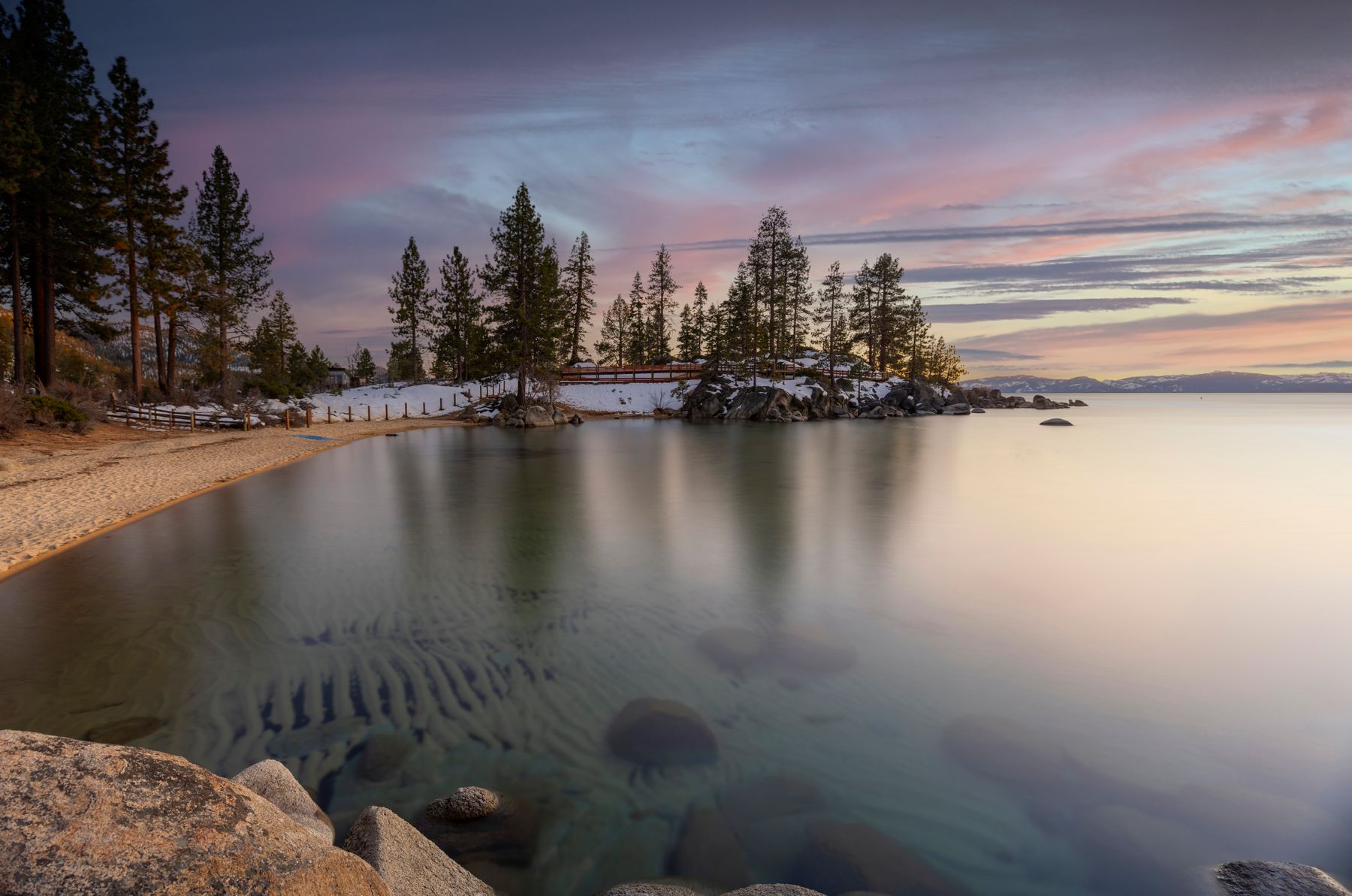
Lake Tahoe, by contrast, demands a different pace. The lake spans the California-Nevada border, with Nevada-side access points like Incline Village and Kingsbury offering direct trailheads to hiking and biking paths. Staying on the Nevada side places you within minutes of Emerald Bay and the Truckee River corridor. However, the terrain requires more driving between attractions. If your itinerary centers on mountain vistas, water sports, or backcountry trails, the scenic payoff justifies the extra travel time. Choose this option if nature immersion outweighs urban amenities.
Seasonal Timing and Weather Patterns
May through September offers the most reliable weather for both locations, though conditions diverge sharply. Reno averages mild temperatures during summer months, making outdoor dining and riverfront walks comfortable. Lake Tahoe sees cooler mornings and evenings, requiring layered clothing even in July. Snowmelt peaks in late spring, creating high water levels ideal for kayaking but potentially muddy trails. Book accommodations early for summer weeks, as demand spikes during holiday weekends. Avoid late November through February unless you specifically seek winter sports, as many lodging options close or operate at reduced capacity.
Winter travel transforms both destinations entirely. Reno remains accessible and open year-round, with indoor attractions maintaining steady operations. Lake Tahoe becomes a ski resort destination, drawing crowds to Heavenly Mountain Resort and Sugar Bowl. If skiing is your goal, book Lake Tahoe hotels in December through March. For general sightseeing and hiking, target June through August. Shoulder seasons in May and September provide quieter experiences and often better availability. Check specific resort operating dates before booking, as some facilities pause operations outside peak ski or summer seasons.
Accommodation Availability and Booking Strategy
Reno offers a wide range of lodging options, from budget motels to mid-scale hotels near the airport and downtown. This variety provides flexibility for different budgets and group sizes. You can easily find accommodations within walking distance of major attractions. Lake Tahoe accommodations are more limited and often pricier, especially for waterfront or ski-in/ski-out properties. Availability tightens significantly during summer and winter peaks. If you are flexible on dates, search for Reno stays first, then consider Tahoe for specific outdoor excursions. This hybrid approach maximizes value and minimizes booking stress.
For most travelers, I would recommend booking a Reno-based stay for the main duration of the trip, using it as a base for day trips. Drive times from Reno to Lake Tahoe are approximately two to three hours, depending on traffic and route. This allows you to enjoy Tahoe’s scenery without committing to a full week of mountain lodging. Reserve a Reno hotel for four to five nights, then add one or two nights in Tahoe if desired. This strategy balances cost, convenience, and experience. Skip extended Tahoe stays if your primary interest is urban culture or nightlife.
Good to know
Questions, answered
Is it easier to book hotels in Reno or Lake Tahoe?
Reno generally has more available inventory and wider price ranges. Lake Tahoe fills quickly during peak seasons. Book Reno first for flexibility, then add Tahoe for specific outdoor days.
What is the best month to visit both locations?
June through August offers reliable weather for hiking and water activities. May and September provide quieter experiences. Winter suits skiing only. Avoid late fall for outdoor plans.
Can I visit both Reno and Tahoe in one trip?
Yes. Base yourself in Reno for two to three nights, then drive to Tahoe for one to two days. The drive takes two to three hours each way.
Doing good is the business: every booking through Stay Nevada funds one verified tonne of carbon removal — same room, same price, no markup.
Search stays