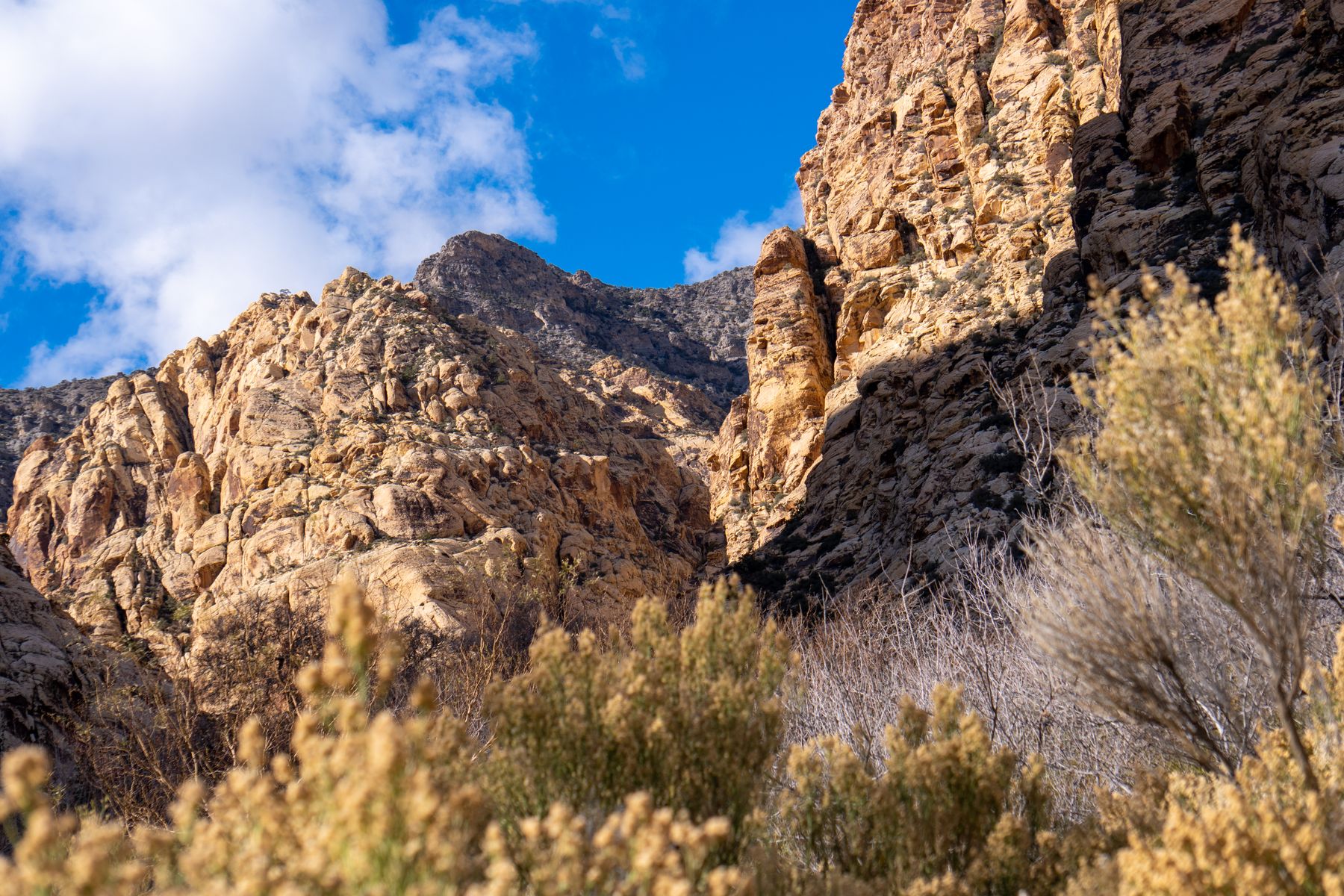
Choosing a Route That Fits Nevada's Distances
Nevada is the seventh-largest state by area and one of the emptiest, so slow travel here is less about covering ground and more about picking a corridor and staying put. The most workable loop for a first visit runs from Las Vegas northwest on US-95 through Beatty and Goldfield to Tonopah, then north on US-376 and US-50 into the Great Basin. That is roughly 440 miles of driving, but broken into two-hour legs with two or three nights in each stop it becomes a genuinely relaxed week.
The alternative is the northern arc: Reno to Virginia City on State Route 341, then east on US-50 — the self-styled Loneliest Road in America — through Fallon, Austin, Eureka and Ely. Allow four to five days minimum. If you only have a long weekend, do not attempt either loop; base yourself in Reno or Las Vegas and take single day trips. Booking a room in Reno or North Las Vegas for the first and last nights keeps airport transfers simple and gives you a comfortable reset before and after the small-town stretches.
Old Mining Towns Worth More Than a Photo Stop
Virginia City, 25 minutes up the Geiger Grade from south Reno, is the most intact 1860s silver town in the West. C Street's wooden boardwalks, the Fourth Ward School and the cemetery above town reward a full day rather than an hour. Stay in Virginia City itself if you want evenings without the drive back; the guest houses are small, so book ahead in summer. Tonopah, roughly 3 hours 45 minutes north of Las Vegas on US-95, has the Clown Motel and the Central Nevada Museum, and the surrounding mining landscape takes a half day to explore.
Further east, Eureka and Austin on US-50 are quieter and arguably better for slow travel: Austin's Stokes Castle sits on a hillside above a town of fewer than 200 people, and Eureka's Opera House and brick main street are remarkably preserved. I would skip Goldfield's roadside attractions if time is short and give the extra night to Eureka. Cell coverage thins between these towns, so download maps before leaving Fallon or Tonopah.
Hot Springs, Parks and the Great Basin
Great Basin National Park, outside Baker near the Utah line, is the reason many travellers commit to the eastern loop. Lehman Caves tours require reservations and fill in summer; the Wheeler Peak Scenic Drive climbs above 10,000 feet and is usually open June to October. The park has no lodges, so Baker's small motels or a base in Ely, 60 miles west, are the realistic options. Spring and early autumn are the best months; July and August afternoons are hot and thunderstorms build over the peaks.
For hot springs, the undeveloped pools near Spencer, north of Tonopah off US-95, and the developed facility at Boulder in the south appeal to different travellers. The drives are rough gravel in places, so a standard sedan is fine to the trailheads but not beyond. Pair a soak with a night in Tonopah rather than pushing on to Ely after dark, when deer on the highway are a genuine hazard.
Where to Base Yourself and When to Go
Slow travel in Nevada works best with two anchor nights in a larger town and two or three in a small one. Reno suits the northern arc: the riverwalk, the Nevada Museum of Art and easy access to Virginia City and Pyramid Lake make it a sensible first and last stop, and midweek rates are usually gentler than weekend. In the south, Las Vegas and North Las Vegas offer the widest choice of rooms and the simplest car hire; Henderson and Boulder City are quieter alternatives for the first night.
Timing matters more than most itineraries admit. April, May, September and October give mild days across most of the state. Winter is fine in the south but closes the high passes and some Great Basin roads; midsummer is workable if you drive early and stop by mid-afternoon. Avoid the Reno Air Races week and major Las Vegas convention weeks if you want calm — check dates before booking, as rates and availability shift sharply. Reserve small-town rooms at least a month ahead.
Where to stay
Hotels in Las Vegas
Good to know
Questions, answered
How many days do I need for a slow Nevada small-towns trip?
Seven to nine days for the southern loop through Tonopah and the Great Basin, or five to six for Reno, Virginia City and US-50. Anything under four days means constant driving. Build in at least two two-night stays so you are not unpacking every evening.
Is a standard car enough for rural Nevada?
Yes on paved highways, including US-95 and US-50. You need high clearance only for gravel roads to hot springs and trailheads. Carry water, a full tank and a paper map; fuel stops can be 60 miles apart and cell signal is unreliable between towns.
What is the best month for Great Basin National Park?
June and September are ideal, with mild days and open high roads. July and August bring afternoon thunderstorms and heat in the valleys. The Wheeler Peak Scenic Drive typically opens in June and closes with early snow, often in October or November.
Should I stay in Las Vegas or North Las Vegas before heading north?
North Las Vegas puts you closer to US-95 and avoids the worst of the Strip traffic, which saves 30 to 45 minutes on departure morning. Las Vegas suits if you want dining and entertainment. Both have broad hotel choice and easy airport access.
Are Virginia City and Tonopah worth an overnight?
Virginia City rewards an evening once the day visitors leave; its guest houses are limited, so book early. Tonopah works well as a halfway stop between Las Vegas and the Great Basin, with the mining park and museum filling an afternoon.
How far is Reno from Virginia City?
About 25 minutes via State Route 341, the Geiger Grade, roughly 17 miles. The road climbs steeply and is slow in snow. Many travellers base in Reno and visit Virginia City as a day trip rather than moving hotels.
Can I visit Great Basin National Park without a tour reservation?
The scenic drive, trails and visitor centre need no reservation. Lehman Caves tours do and fill quickly in summer. Book ahead if the cave is a priority; otherwise plan around the surface attractions, which are the park's main draw.
What should I skip on a short Nevada itinerary?
Long detours to isolated roadside attractions and back-tracking between US-50 and US-95. Pick one corridor. Also skip midsummer midday hiking in the valleys, and skip trying to combine Reno and Las Vegas in one short trip — they are about 440 miles apart.
Doing good is the business: every booking through Stay Nevada funds one verified tonne of carbon removal — same room, same price, no markup.
Search stays