Home/Stays/California/Big Bear City
Stays in Big Bear City
Big Bear City is a small community in the San Bernardino Mountains of Southern California, situated near the eastern end of Big Bear Lake. It sits at an elevation of about 6,700 feet, offering a cool mountain retreat from the warmer valleys below. The area is part of San Bernardino County and is…
Every stay in Big Bear City
Recent rates first, then the best-reviewed rooms.



Search live rates in Big Bear City
Pick your dates — every Big Bear City room with a live price, in one list.
Free cancellation on most rooms · 1 t CO₂ removed per booking, at no extra cost.
About Big Bear City
Unlike the more developed Big Bear Lake city on the north shore, Big Bear City retains a quieter, more residential feel. It serves as a gateway to the lake's eastern attractions and is close to the Big Bear Airport. Visitors come for hiking, biking, fishing, and winter sports at nearby resorts. The community has a mix of full-time residents and vacation homes, giving it a relaxed, local atmosphere.
The town's location makes it a convenient base for exploring the entire Big Bear Valley. Whether you're seeking adventure on the trails or a peaceful escape, Big Bear City offers a taste of mountain life in Southern California.
Where to stay in Big Bear City
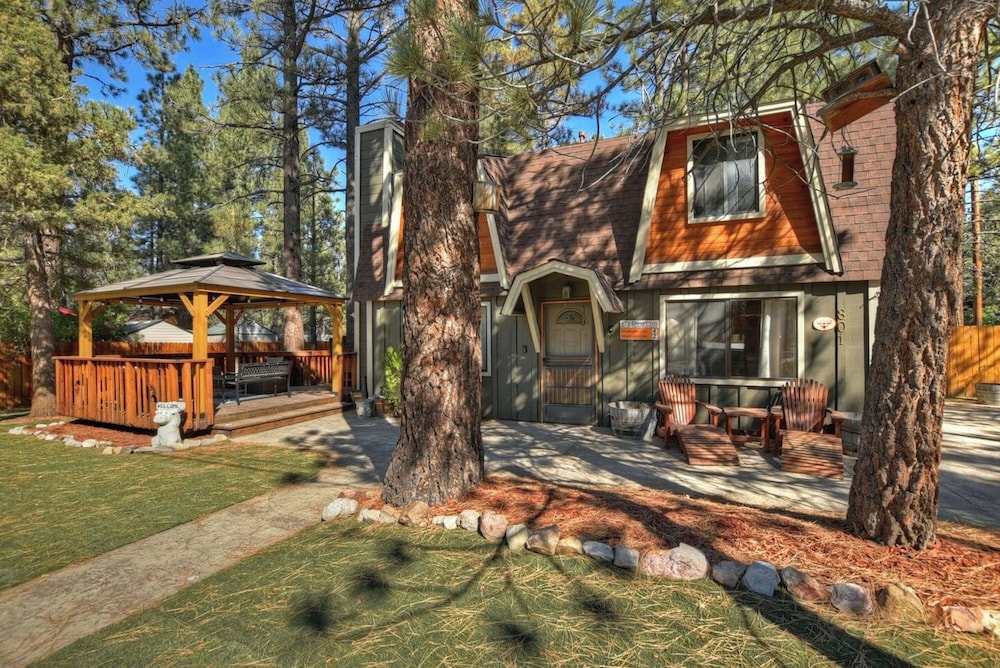
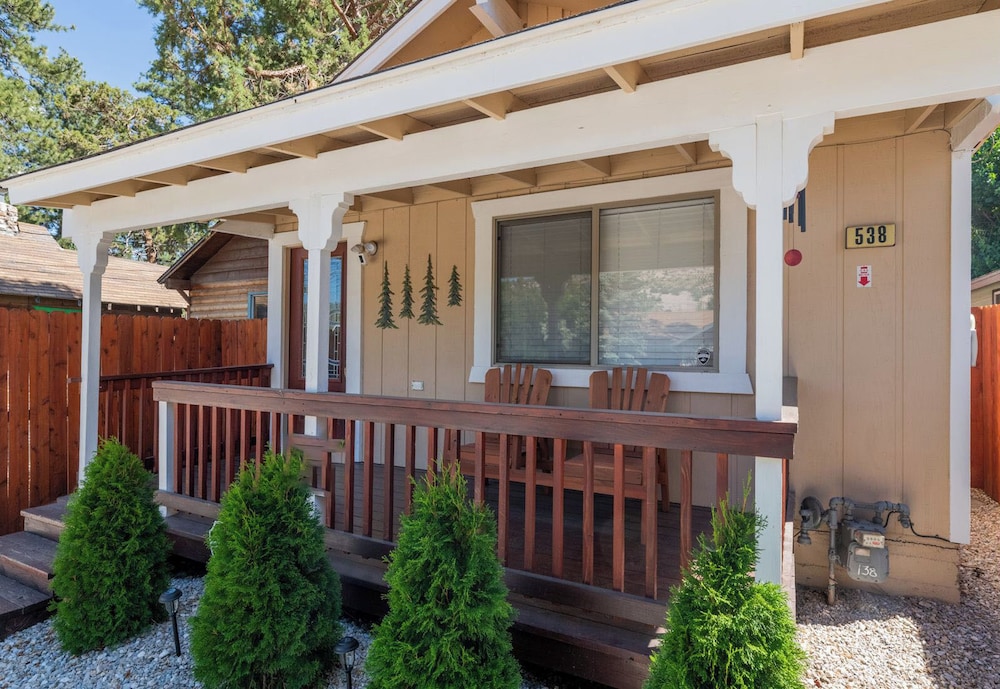
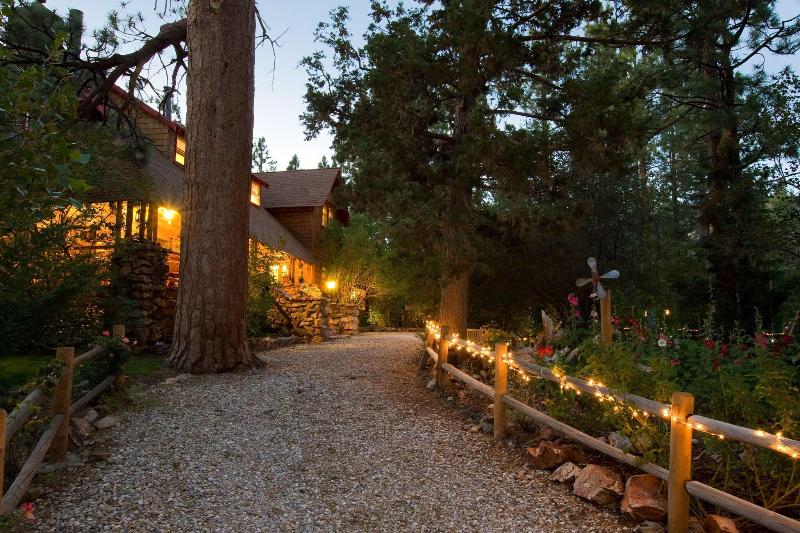
Big Bear City. The main residential area, offering a range of vacation rentals and cabins, often with easy access to the airport and eastern lake areas.
Big Bear Lake. The neighboring city on the north shore, with more commercial amenities, restaurants, and direct lake access.
Moonridge. A neighborhood south of Big Bear Lake, close to Bear Mountain Resort and the golf course, popular for its wooded settings.
Fawnskin. A small community on the north shore, known for its quiet atmosphere and proximity to the observatory.
Getting there and around
Big Bear City is typically reached by car via State Route 18 from the west or State Route 38 from the south. From the Los Angeles area, take Interstate 10 east to State Route 38 through Redlands and Mentone, or Interstate 15 to State Route 18 through Apple Valley. The drive takes about two to three hours depending on traffic. Public transportation is limited; Mountain Transit provides bus service within the Big Bear Valley. Having a car is recommended for getting around, especially to trailheads and remote areas. In winter, carry chains and check road conditions, as mountain passes can be snowy.
When to go
Summer and early fall offer warm days and cool nights, ideal for hiking, biking, and water activities on the lake. Winter brings snow, attracting skiers and snowboarders to nearby resorts. Spring can be unpredictable with lingering snow at higher elevations. The area is busiest on weekends and holidays year-round, so weekdays are quieter. Each season provides distinct outdoor opportunities, from wildflowers in spring to fall colors in October.
Questions, answered
What is the elevation of Big Bear City?
Big Bear City sits at approximately 6,700 feet above sea level, which can cause shortness of breath for some visitors. Take it easy on the first day to acclimate.
Is Big Bear City the same as Big Bear Lake?
No, they are separate communities. Big Bear Lake is the city on the north shore, while Big Bear City is an unincorporated area to the east. They are often referred to collectively as the Big Bear Valley.
Do I need a car to get around Big Bear City?
Yes, a car is highly recommended. Public transit exists but is limited, and many attractions are spread out. Parking is generally available at trailheads and in town.
What winter activities are available?
Winter offers skiing, snowboarding, snowshoeing, and tubing at nearby resorts like Snow Summit and Bear Mountain. Always check road conditions and carry chains.
Are there restaurants and shops in Big Bear City?
Big Bear City has some local eateries and stores, but for a wider selection, head to Big Bear Lake's Village area, which is a short drive away.
How far is Big Bear City from Los Angeles?
It is roughly a two- to three-hour drive from Los Angeles, depending on traffic and route. The most common routes are via State Route 38 or State Route 18.