Stays in Tucson
Tucson sits in the Sonoran Desert of southern Arizona, surrounded by five mountain ranges that rise abruptly from the valley floor. The city is one of the oldest continuously inhabited places in North America; the Presidio San Agustín del Tucson was established by Spanish colonists in 1775, and the…
Every stay in Tucson
Recent rates first, then the best-reviewed rooms.





Search live rates in Tucson
Pick your dates — every Tucson room with a live price, in one list.
Free cancellation on most rooms · 1 t CO₂ removed per booking, at no extra cost.
About Tucson
Modern Tucson spreads across the desert without much density. The University of Arizona anchors the central city, and its campus blends into neighbourhoods of bungalows, cactus gardens and low-rise buildings. To the west, Saguaro National Park protects forests of saguaro cactus on the slopes of the Tucson Mountains; to the east, the Rincon Mountains rise behind the city. The food reflects the borderland setting: Sonoran Mexican cooking, especially the flour tortillas and carne asada of the region, is central to the local identity.
Tucson is also a science city. The University of Arizona and associated observatories have made it a hub for astronomy, and the Arizona-Sonora Desert Museum west of town combines a zoo, botanical garden and natural history museum. Winter visitors have long come for the mild desert climate, while summer brings intense heat and the monsoon rains of July and August.
Where to stay in Tucson
Downtown Tucson and the Presidio District. The historic core, with the Presidio San Agustín del Tucson, the Tucson Museum of Art and a concentration of bars and restaurants along Congress Street. Hotels here put you within walking distance of the city's oldest surviving neighbourhoods.
University of Arizona area. Centred on the campus and the Main Gate square at University Boulevard and Park Avenue, this area has bookshops, cafes and a steady student presence. It is close to the Arizona State Museum and the Center for Creative Photography.
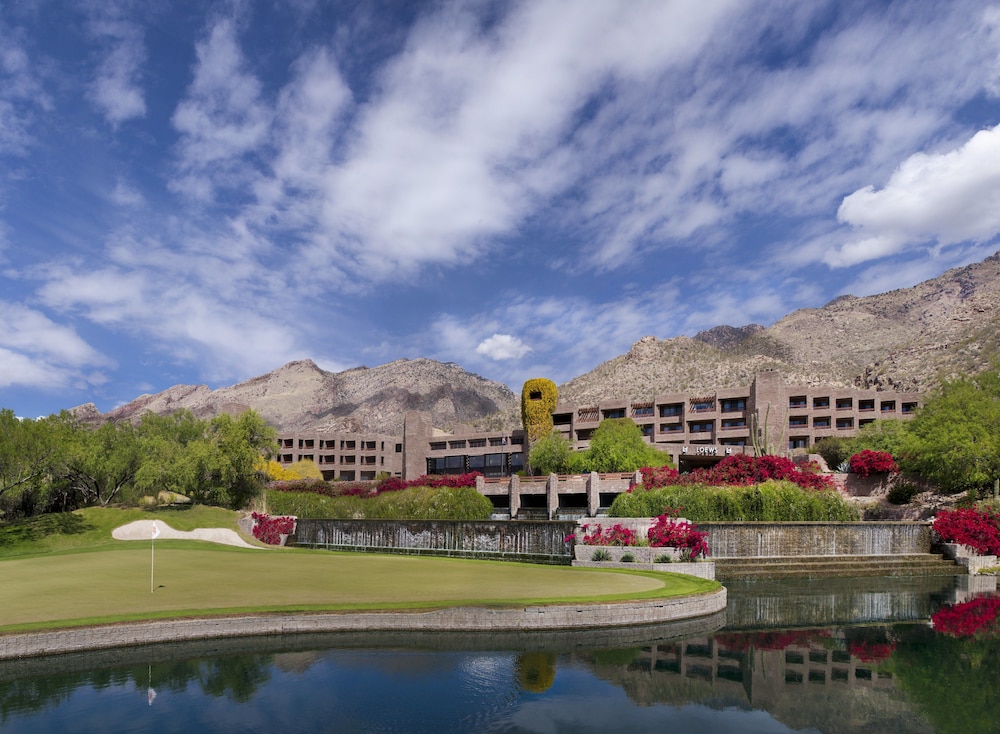
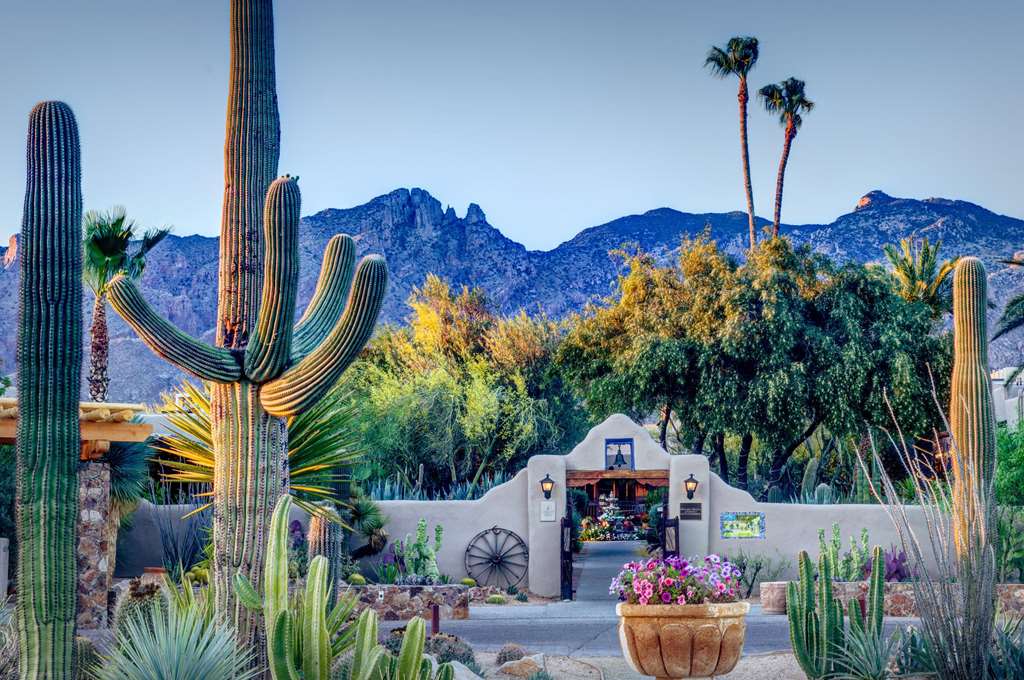
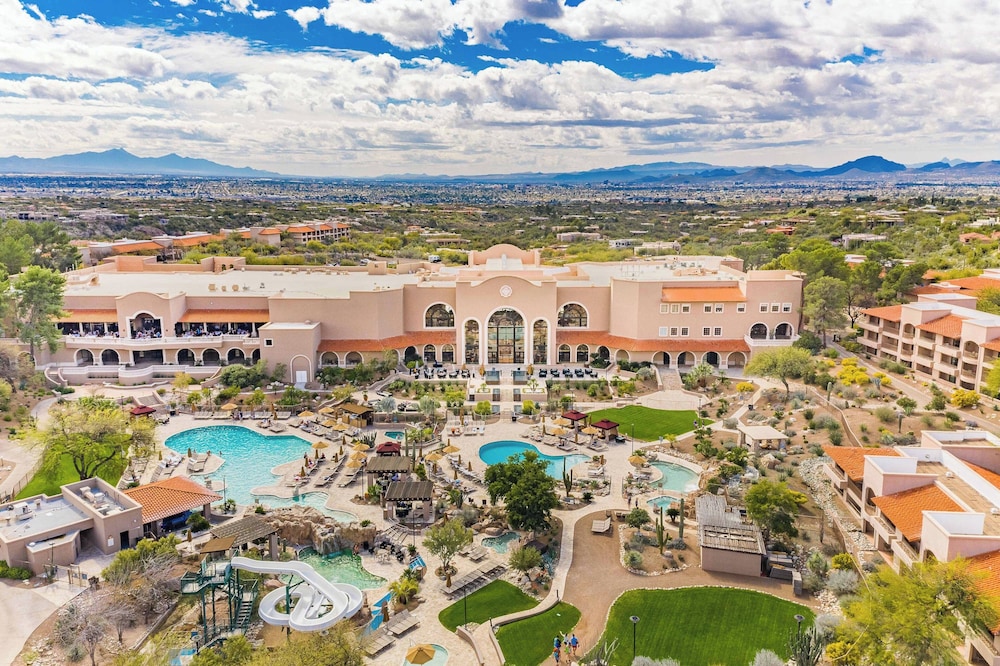
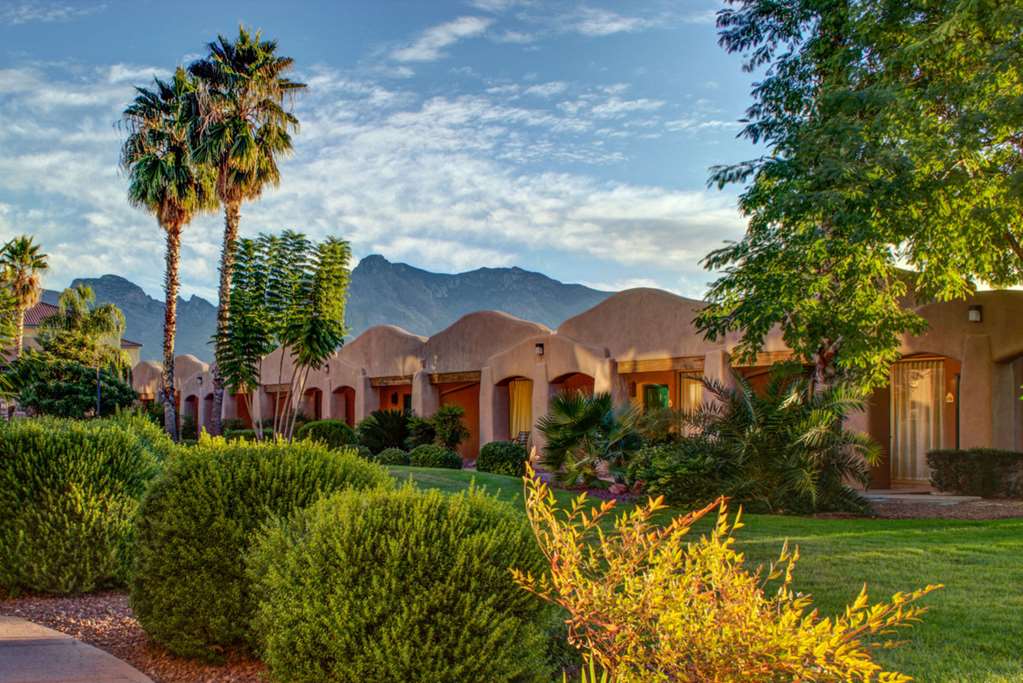
Catalina Foothills. The foothills of the Santa Catalina Mountains north of the city, where resorts such as Loews Ventana Canyon Resort and Hacienda Del Sol Guest Ranch Resort are located. The area is known for desert views and proximity to Sabino Canyon.
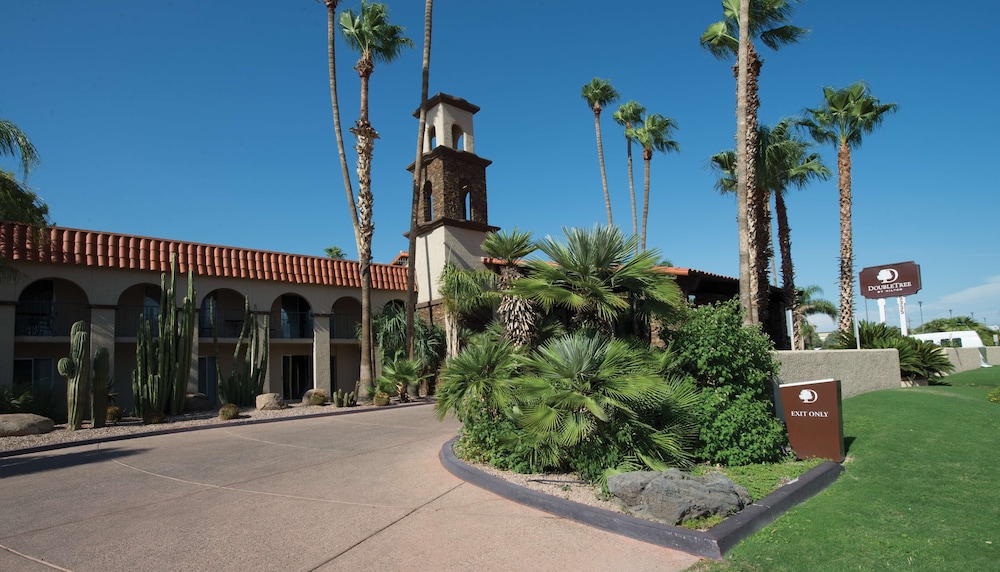
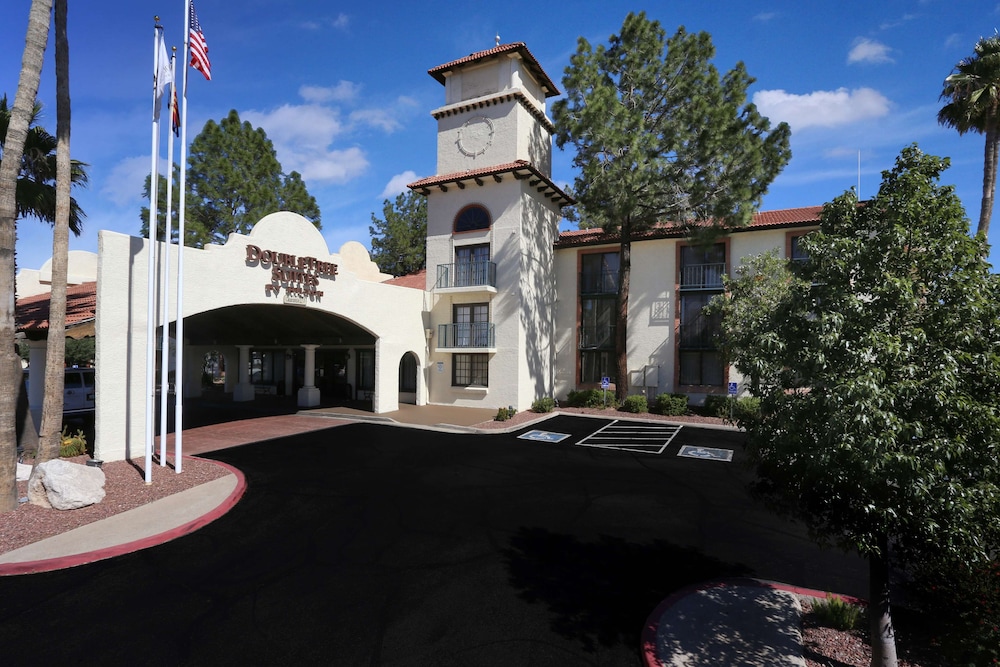
Tucson Airport area. Around Tucson International Airport south of downtown, convenient for early flights and for reaching the Titan Missile Museum in Sahuarita. DoubleTree Suites by Hilton Tucson Airport is among the hotels here.
Getting there and around
Tucson International Airport is served by major US airlines and sits about 8 miles south of downtown. Driving from Phoenix takes roughly two hours on Interstate 10; from Las Vegas, Nevada, the drive is much longer, and most visitors from there fly. Amtrak's Sunset Limited stops in Tucson, and Greyhound and FlixBus serve the city. Within Tucson, Sun Tran operates buses, but many of the desert attractions, including Saguaro National Park and the Arizona-Sonora Desert Museum, are easiest to reach by car. Ride-hailing and taxis are available from the airport and central areas.
When to go
The most comfortable months are October through April, when daytime temperatures are mild and the desert is at its best for hiking and sightseeing. Winter brings many visitors from colder states, and the Gem and Mineral Show in late January and February fills hotels. Summer is very hot, though the monsoon storms of July and August bring dramatic clouds and green desert. Spring wildflowers, when rains allow, usually peak in March and April.
Questions, answered
What is Tucson known for?
Tucson is known for its Sonoran Desert setting, its saguaro cactus forests protected in Saguaro National Park, its 18th-century Spanish presidio and Mission San Xavier del Bac, and its astronomy and university research. Its Sonoran Mexican food is a major part of the city's identity.
Do I need a car in Tucson?
Many visitors find a car useful because major attractions such as Saguaro National Park, the Arizona-Sonora Desert Museum and Sabino Canyon are outside the central grid. Downtown and the university area are walkable, and buses and ride-hailing cover much of the city.
What is the best way to see the desert around Tucson?
Saguaro National Park has two districts, one east of the city in the Rincon Mountains and one west in the Tucson Mountains. The Arizona-Sonora Desert Museum, west of town, combines desert animals with botanical gardens and is a common starting point.
How far is Tucson from the Grand Canyon or Las Vegas?
The Grand Canyon's South Rim is several hours north by road, usually reached via Phoenix and Flagstaff. Las Vegas, Nevada, is a long drive northwest, and many travellers fly instead.
When is the Gem and Mineral Show in Tucson?
The Tucson Gem, Mineral and Fossil Showcase runs for several weeks in late January and February, with many separate shows across the city. It is one of the largest events of its kind and books up hotels well in advance.
What is the weather like in Tucson?
Tucson has a desert climate with mild winters and very hot summers. The monsoon season in July and August brings sudden thunderstorms. Spring and autumn are generally the most comfortable times for outdoor activity.